Your Cart
You are €100 away from free standard shipping.
Your cart is empty
You are €100 away from free standard shipping.
We cover all U.S. tariffs, so you won’t pay extra customs fees.
Linen is a natural fabric made from the fibers of the flax plant. It has been used for centuries and is known for its durability, texture, and ability to adapt to different conditions.
Today, linen is often associated with a more considered approach to clothing. As more people pay attention to what they wear and how it is made, natural materials like linen have become part of a wider conversation about quality, longevity, and environmental impact — especially when choosing linen clothing.
What makes linen different is not only how it feels, but how it is produced and used over time. Compared to many other fabrics, it requires fewer resources and supports a slower, more thoughtful way of dressing.
Linen fabric is made from the fibers of the flax plant, which is considered a relatively low-impact crop. This is one of the main reasons why linen is often seen as a more environmentally responsible textile.
Flax is one of the oldest textile crops in the world and has been used for thousands of years. It grows especially well in parts of Europe, where the climate naturally supports its cultivation.
Compared to many commonly used fibers, flax generally requires less intervention during cultivation. It can grow without the same level of intensive farming, which gives linen a more thoughtful starting point.
While much of the fashion industry depends on resource-heavy processes, linen begins with a simpler, more natural foundation.
Flax is naturally more resilient than many crops used in textile production. It can grow with less reliance on pesticides and herbicides, which reduces the overall chemical input during cultivation.
This has an impact not only on the environment, but also on the final fabric. Linen is often chosen by those who prefer materials that involve fewer chemical processes and feel closer to their natural state.
At Linenfox, we work with OEKO-TEX® certified fabrics, meaning they are tested to ensure they are free from harmful substances. This adds an additional layer of assurance, especially for garments worn close to the skin.
Linen is often considered a more sustainable fabric because of how efficiently it is produced and how naturally it returns to the environment at the end of its life.
One of the key factors is water use. Compared to many commonly used materials, flax generally requires less water to grow. Cotton, for example, is widely used but known for being water-intensive, while flax is often grown using natural rainfall, reducing the need for irrigation and lowering pressure on natural resources.
Sustainability also depends on how much of a material is used and how much is wasted. The flax plant allows for a more complete use of its parts — while the fibers are turned into linen fabric, other elements can be used in industries such as food or oil production. This reduces overall waste and supports a more efficient production process.
At the end of its life, linen behaves differently from synthetic fabrics. Materials like polyester or nylon do not break down easily and can remain in the environment for many years. Linen, by contrast, comes from plant-based fibers and can decompose more naturally over time.
A garment becomes more sustainable when it can be worn repeatedly over time — not just for one season. Linen is naturally strong due to the structure of its fibers, which makes it resistant to wear and helps it maintain its shape.
At the same time, linen does not remain static. With washing and regular use, the fibers gradually relax, making the fabric softer while preserving its structure. This balance between durability and change is what sets linen apart from many other materials.
However, longevity also depends on how and where the garment is worn. Linen is not designed for intensive physical activity or high-friction environments, such as hiking or similar use. Although it comes in different weights, it remains a natural fabric that requires thoughtful wear to maintain its quality over time.
Rather than wearing out, linen often becomes more comfortable with everyday use. It develops a lived-in softness while still keeping its clean drape and natural character. Small signs of wear, such as subtle wrinkles, become part of the fabric rather than a flaw.
Because of this, linen garments are less likely to be replaced quickly. A well-made linen dress or a pair of linen pants can remain part of a wardrobe for years, supporting a more considered approach to clothing and reducing the need for frequent replacement.
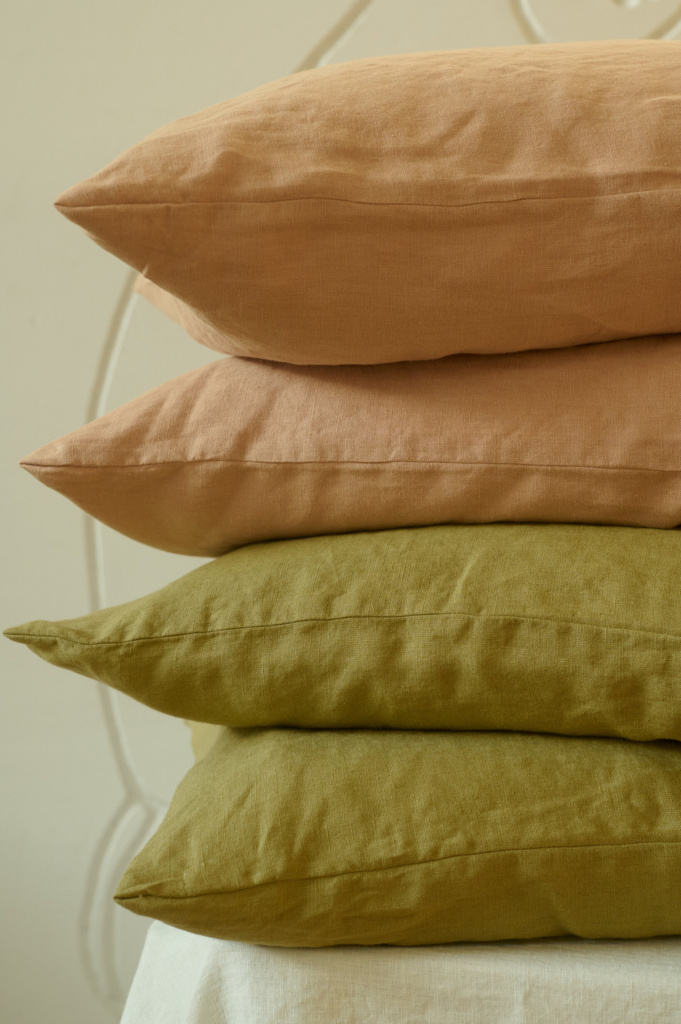
Yes. Linen is considered an eco-friendly fabric because it requires fewer resources to produce, creates less waste, and can last for many years when worn and cared for properly.
Linen is often considered more sustainable than cotton because flax typically requires less water and fewer chemical treatments during cultivation. In many cases, it can grow using natural rainfall, making it a lower-impact choice.
Yes. Linen fabric is biodegradable because it comes from natural plant fibers. It can break down more naturally over time, especially when not heavily treated or blended with synthetic materials.
Yes. Linen becomes softer with wear and washing as the fibers gradually relax, while still maintaining its structure and natural character.
Linen often costs more because the production process is more labor-intensive and flax fibers require careful handling. At the same time, linen is valued for its durability and long lifespan, making it a better long-term investment.
Linen is often described as a sustainable fabric, but its true value becomes clear in how it is worn over time. From how it is grown to how it softens with use, linen reflects a more considered approach to clothing.
Choosing linen is not only about the material itself, but about how it fits into everyday life — how it is worn, cared for, and kept over the years. When chosen thoughtfully, it becomes part of a wardrobe that feels natural, lasting, and easy to return to.


