Your Cart
You are €100 away from free standard shipping.
Your cart is empty
You are €100 away from free standard shipping.
We cover all U.S. tariffs, so you won’t pay extra customs fees.
Linen fabric is often seen as a single material, but in reality, there are many different types of linen fabric used in clothing. The way linen feels and performs depends on its weight, weave, and overall structure. From lightweight and breathable fabrics to heavier, more structured linen, each type serves a different purpose.
Understanding the differences between linen fabrics can help you choose garments that feel comfortable and suit different seasons. Some types of linen are ideal for hot summer days, while others work better for layering or cooler weather.
In this guide, we explore the most common types of linen fabric used in clothing, including medium weight linen, heavy linen, linen blends, and textured variations. If you are looking for garments made from natural fabrics, you can also browse our collection of linen clothing for women.
Linen fabric can vary significantly in how it looks, feels, and performs. These differences come from several key factors, including fiber structure, fabric weight, and the way the fabric is woven. Even though linen comes from flax, these elements create fabrics that behave very differently in everyday wear.
To better understand how linen is made and what makes European linen different, read our guide on what European linen is.
Linen is made from flax fiber, which gives the fabric its characteristic strength and texture. Unlike many other materials, linen fibers are naturally less elastic, which creates a slightly crisp feel and a more structured appearance. This is also why linen garments tend to hold their shape while developing a softer feel over time.
The way linen is woven also affects its texture and appearance. Some linen fabrics have a smooth, even surface, while others are more textured or patterned, such as gingham or waffle linen. These variations influence not only how the fabric looks, but also how it feels against the skin and how it moves when worn.
Understanding how to wash linen clothes in a washing machine helps maintain the texture and structure of different linen fabrics.
Linen fabric can take many forms depending on its weight, texture, and composition. Each type offers a slightly different feel and works best for specific garments. Below are the most common types of linen fabric used in clothing and how they differ from one another. You can see how different fabrics are used in our made to order process.
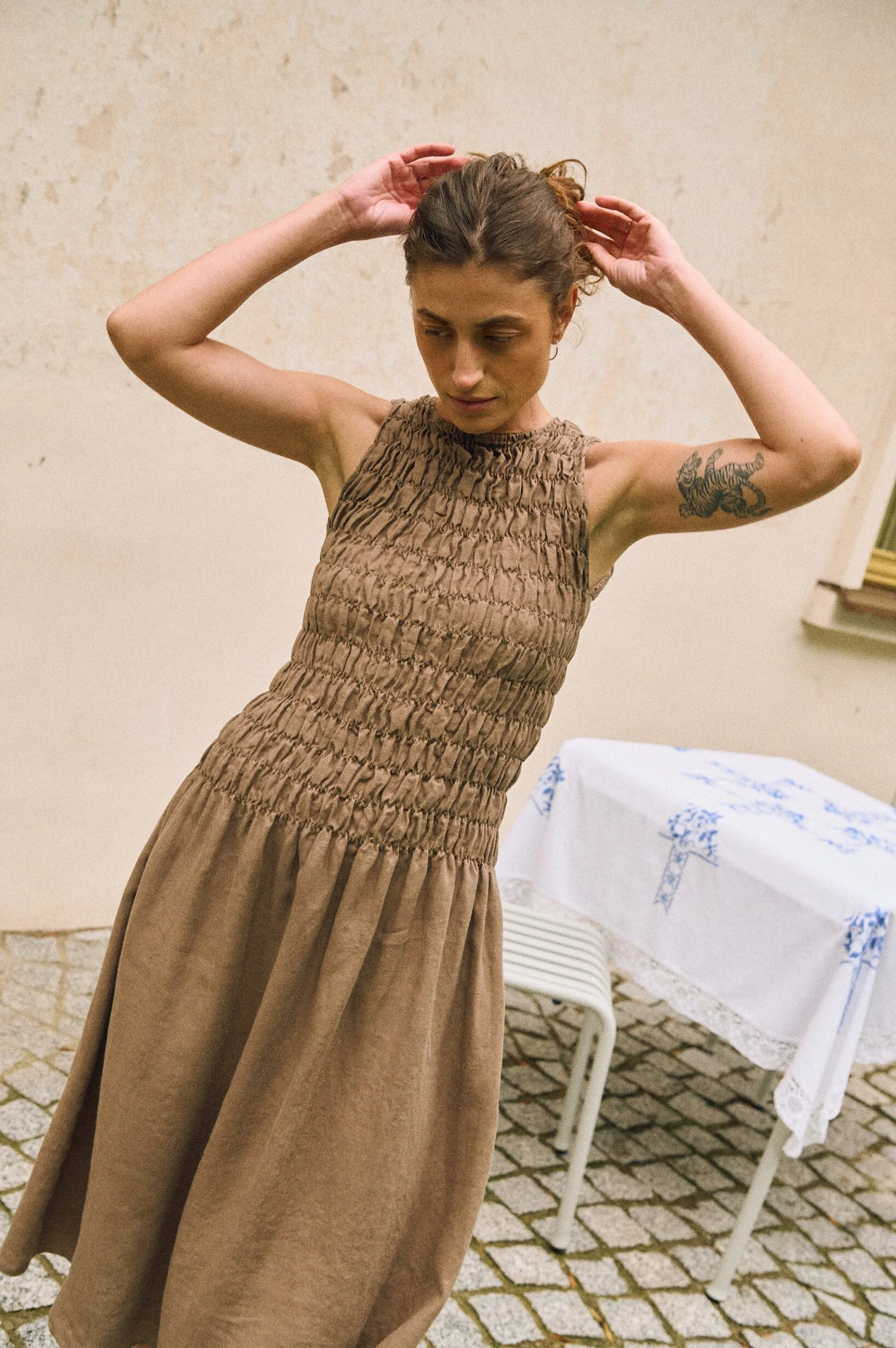
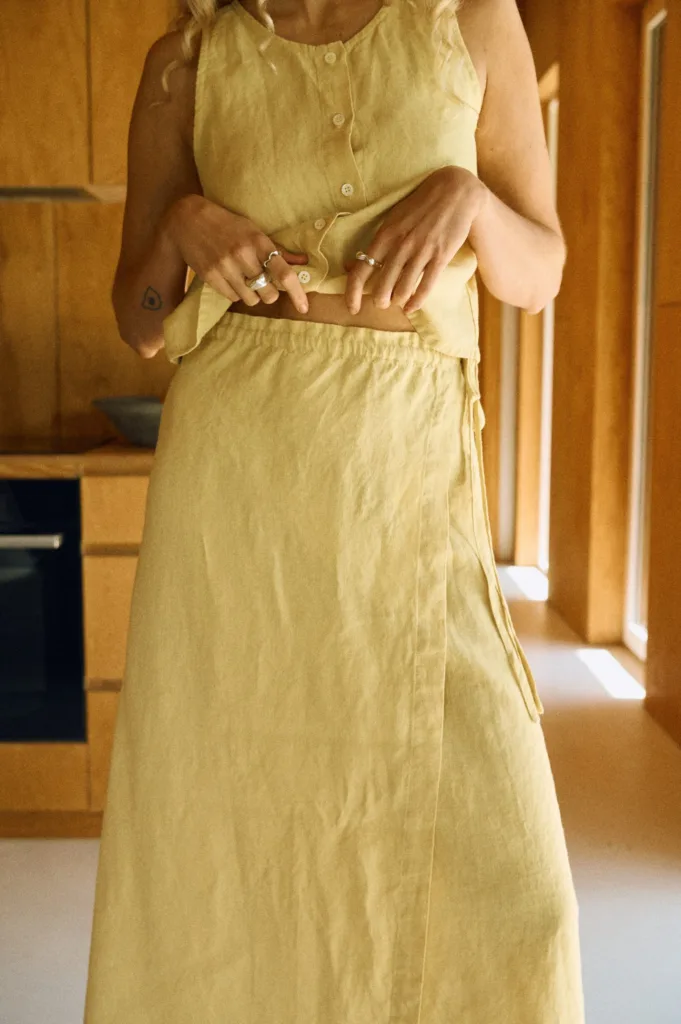
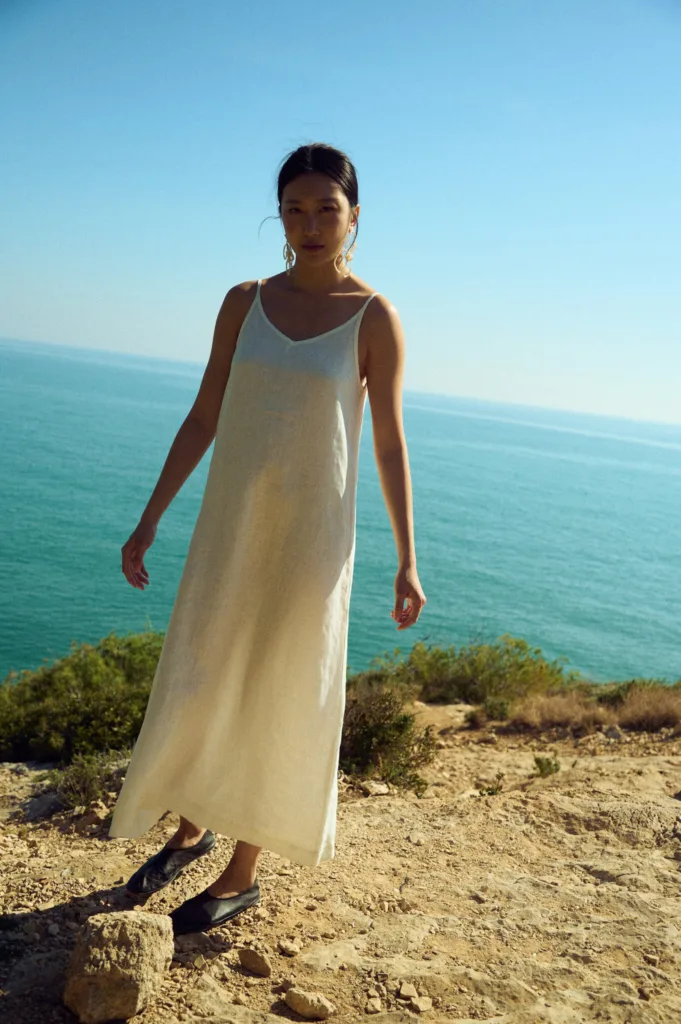
Medium weight linen is one of the most commonly used fabrics in clothing. It offers a balanced feel — not too light and not too heavy — which makes it suitable for a wide range of garments. This type of linen drapes naturally and softens over time, making it comfortable for everyday wear.
Medium weight linen is often used for dresses, shirts, and skirts, as it allows airflow while still maintaining enough structure to hold its shape. You can explore different styles made from this fabric in our linen dresses for women collection.
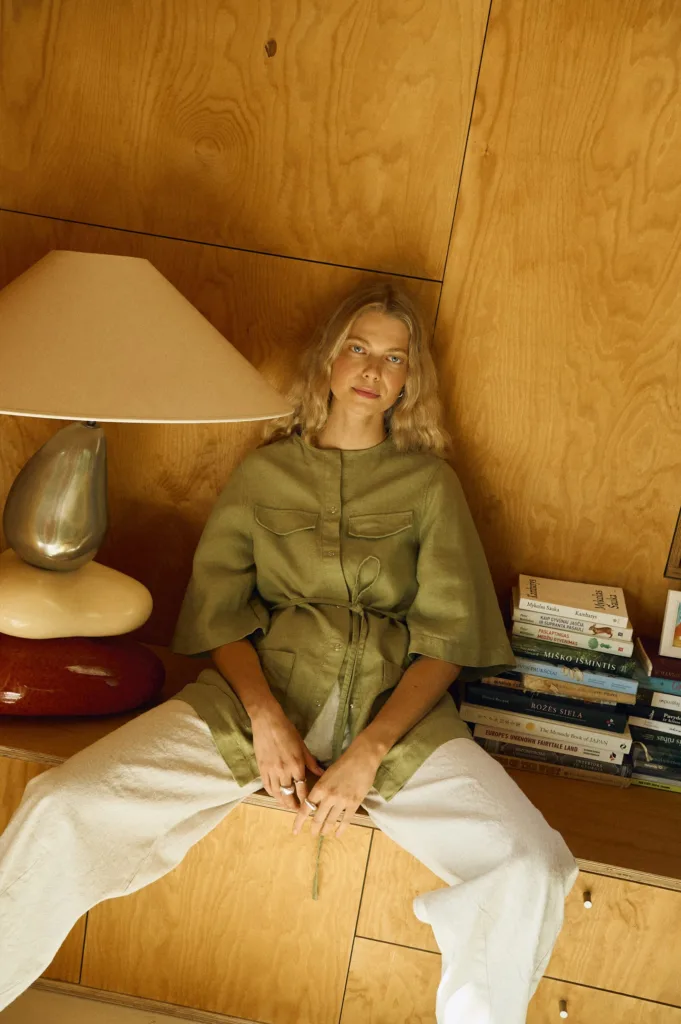
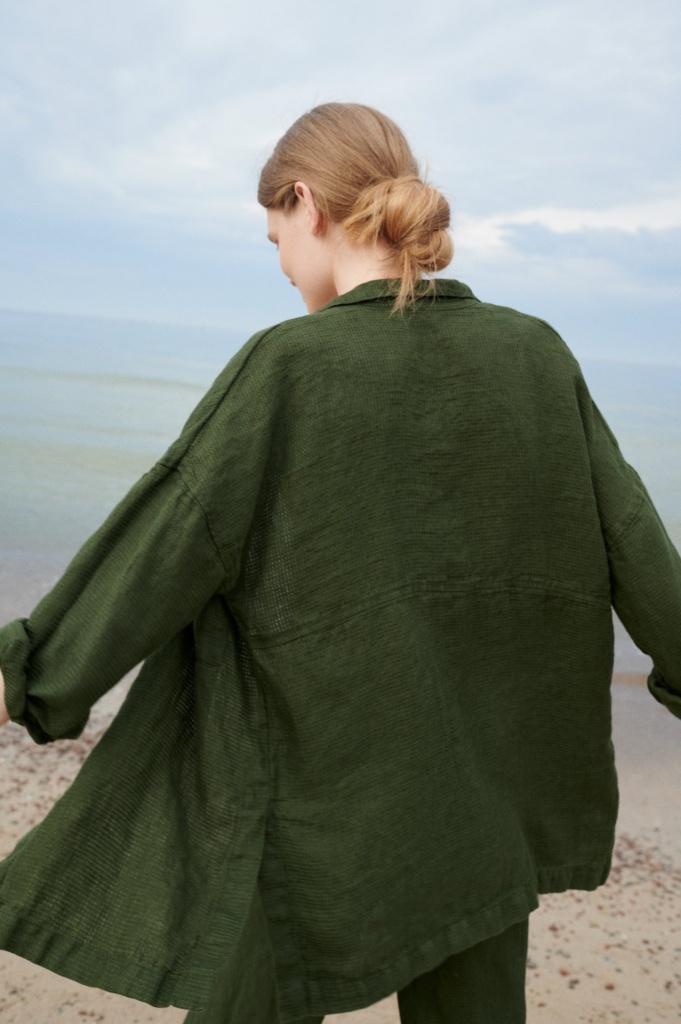
Heavy linen has a denser and more structured feel compared to lighter fabrics. It holds its shape more firmly, which makes it suitable for garments that require a more defined silhouette. This type of linen is often chosen for jackets, overshirts, and other layering pieces.
Because of its thickness, heavy linen feels slightly more substantial while still maintaining the natural breathability of linen. It works well in cooler seasons or when a more structured look is desired. Heavy linen also has a more pronounced texture, which gives the fabric a distinct, slightly rugged appearance. Many customers compare it to denim in terms of weight and structure, making it especially suitable for utility-style garments and everyday layering pieces.
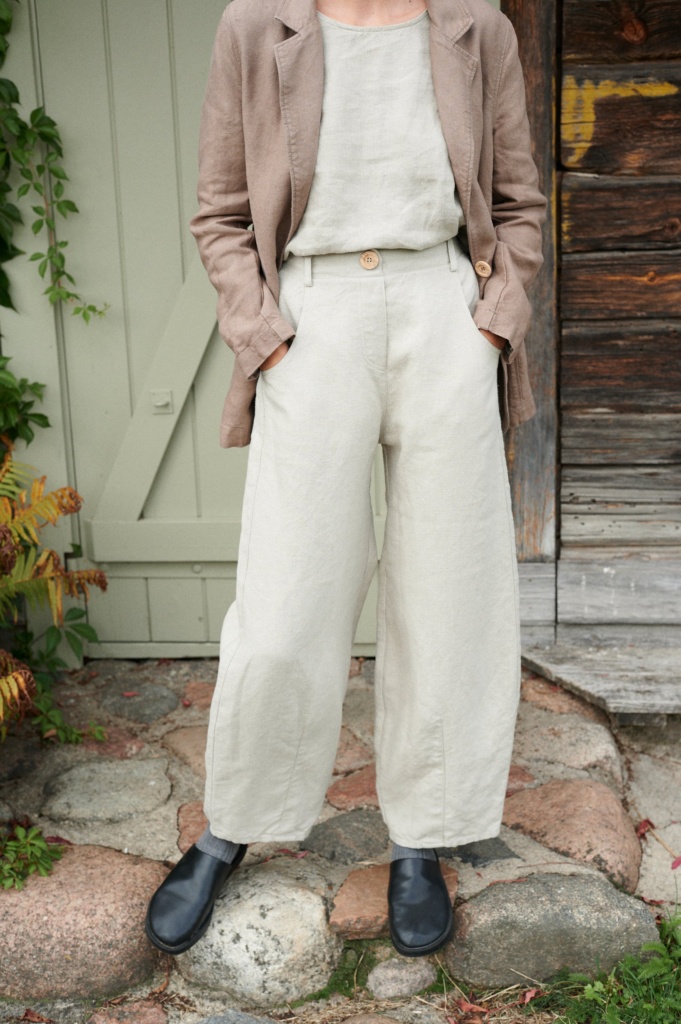
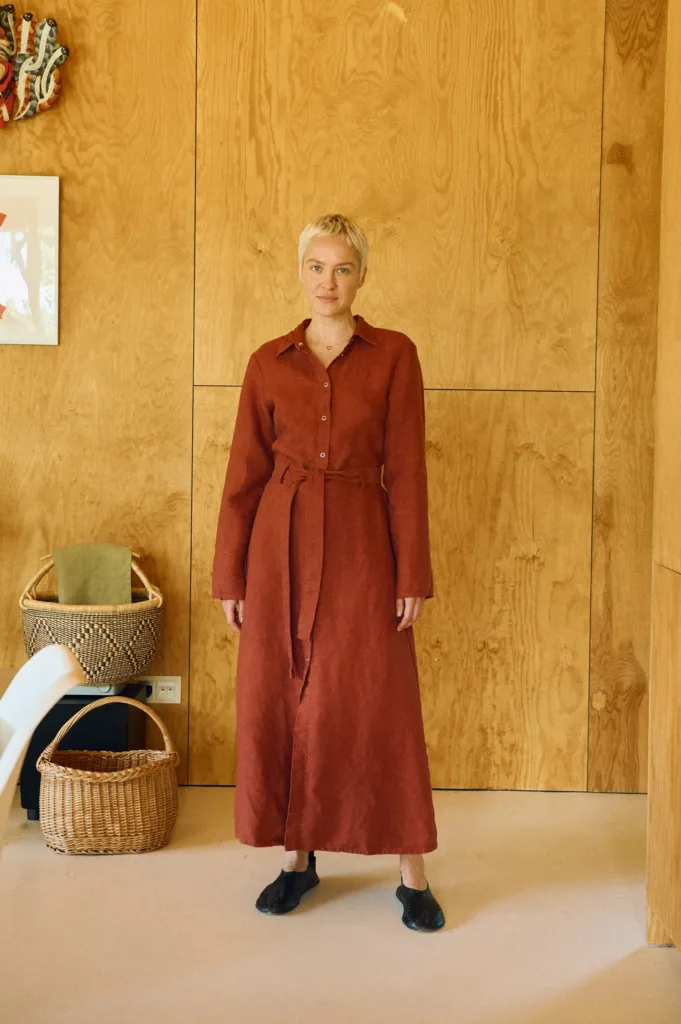
Linen wool blend combines the breathability of linen with the softness and warmth of wool. This creates a fabric suited for cooler temperatures and seasonal transitions. In Linenfox garments, the blend includes 15% natural recycled wool. This adds warmth while keeping the fabric balanced and comfortable to wear.
This is one of the more refined linen fabrics. It is made using fine yarns of both linen and wool. These finer fibers allow the fabric to drape more smoothly. The result is a softer and more fluid silhouette compared to heavier linen types.
With a weight of around 230 g/m², the fabric feels substantial yet remains flexible and easy to wear. The presence of linen helps reduce the roughness often associated with pure wool, resulting in a material that feels gentle against the skin. Because of this, you can wear linen wool blend garments directly on the body without the coarse sensation that some wool fabrics may cause.
Even with a relatively low wool content, the fabric provides noticeable warmth. Wool fibers help retain heat, while linen keeps the surface breathable and prevents overheating. This balance makes linen wool blend ideal for layering and everyday wear during transitional seasons such as autumn and early spring.
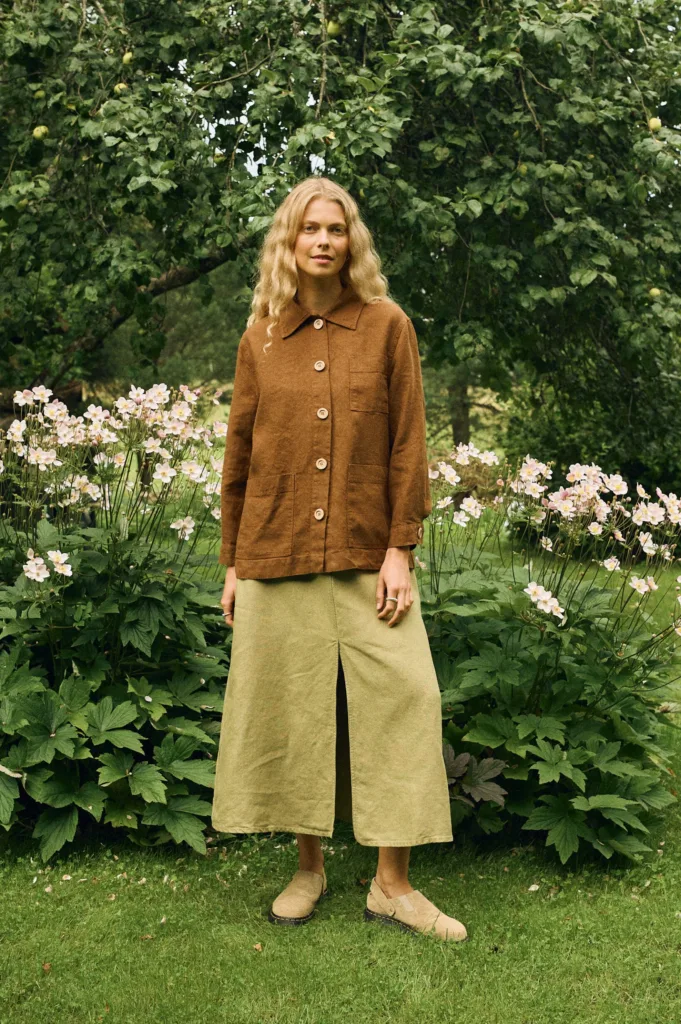
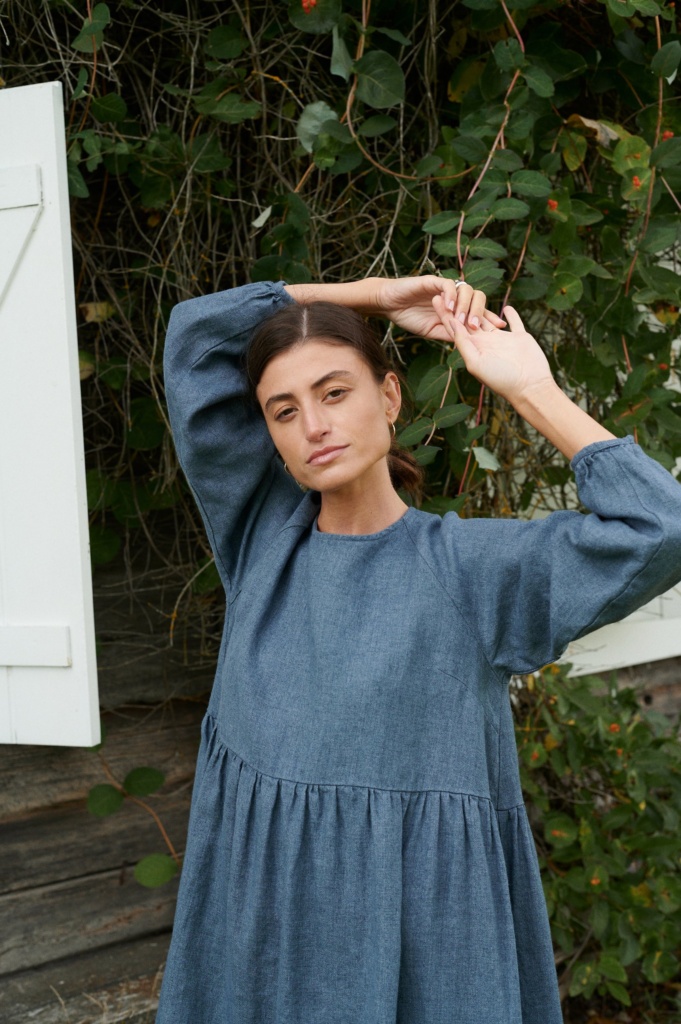
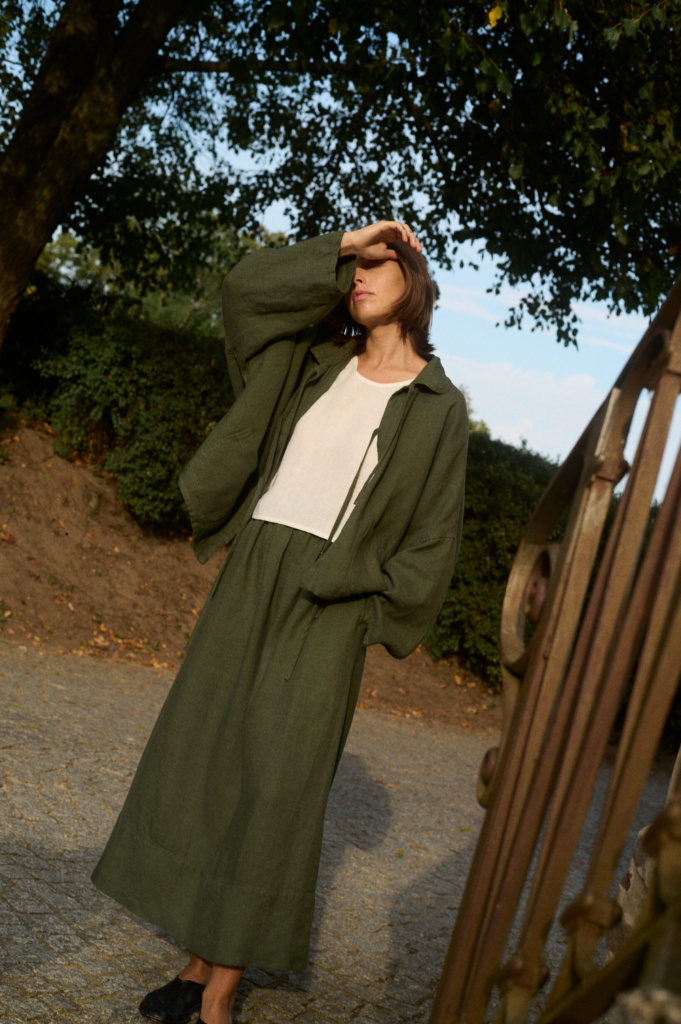
Cotton linen blend combines two natural fibers to create a fabric that feels softer and more flexible than pure linen while still retaining its natural texture. This balance makes it especially suitable for garments designed for everyday wear.
Compared to 100% linen, this fabric has a smoother surface and a more relaxed feel against the skin. It moves more easily with the body and feels less structured, which makes it a comfortable choice for those who prefer a softer touch. At the same time, the presence of linen maintains a subtle texture and natural appearance that distinguishes it from fully cotton fabrics.
This blend is also more forgiving in daily use. It tends to wrinkle less than pure linen and requires less effort to maintain, making it practical for frequently worn garments. The fabric feels lightweight yet substantial enough to hold its shape, which makes it suitable for dresses, tops, and other casual pieces.
Cotton linen blend is a thoughtful option for those who appreciate natural materials but are looking for a slightly softer and more easy-care alternative to traditional linen.
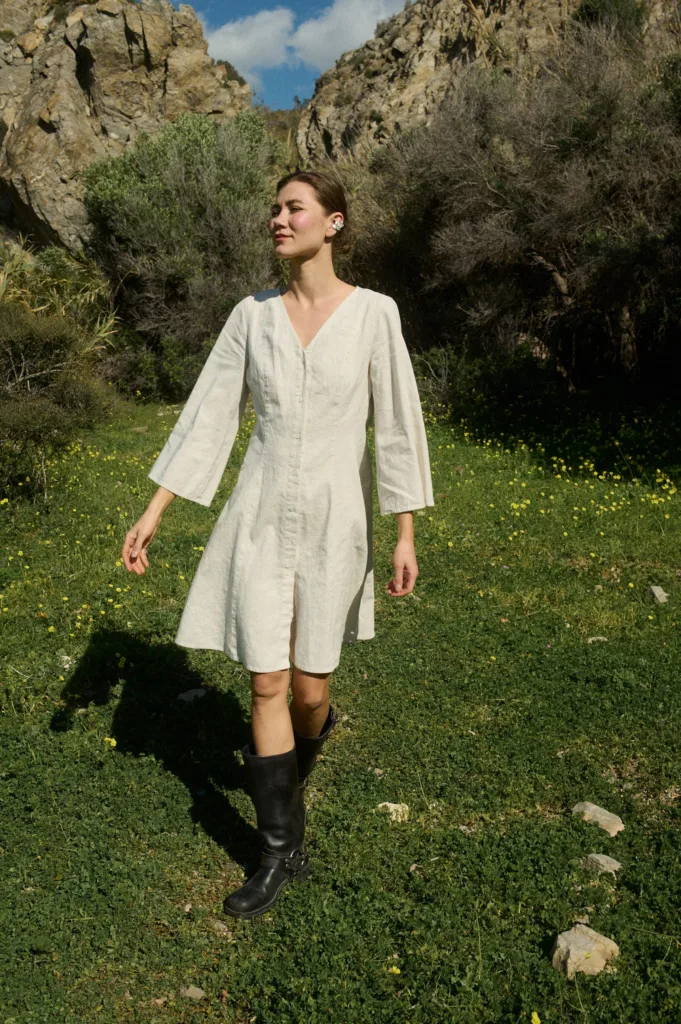
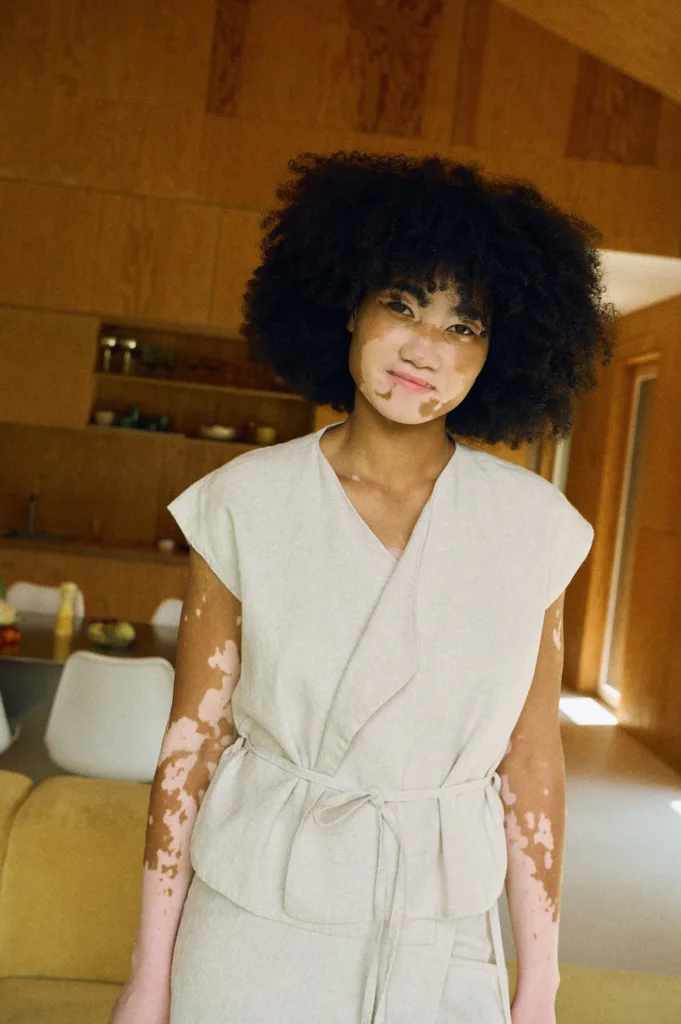
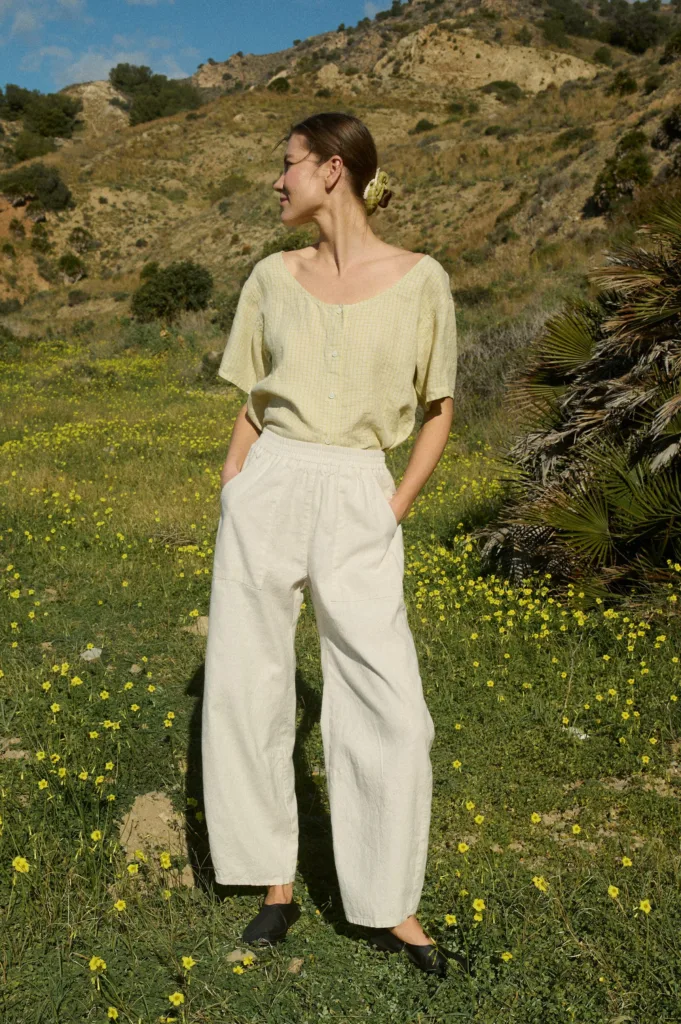
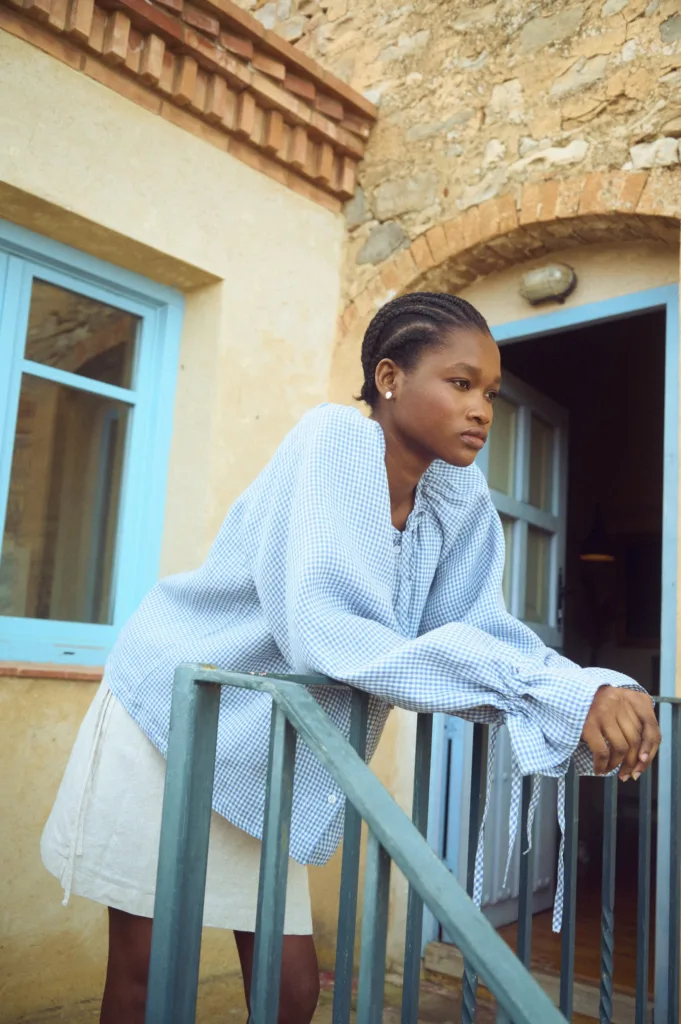
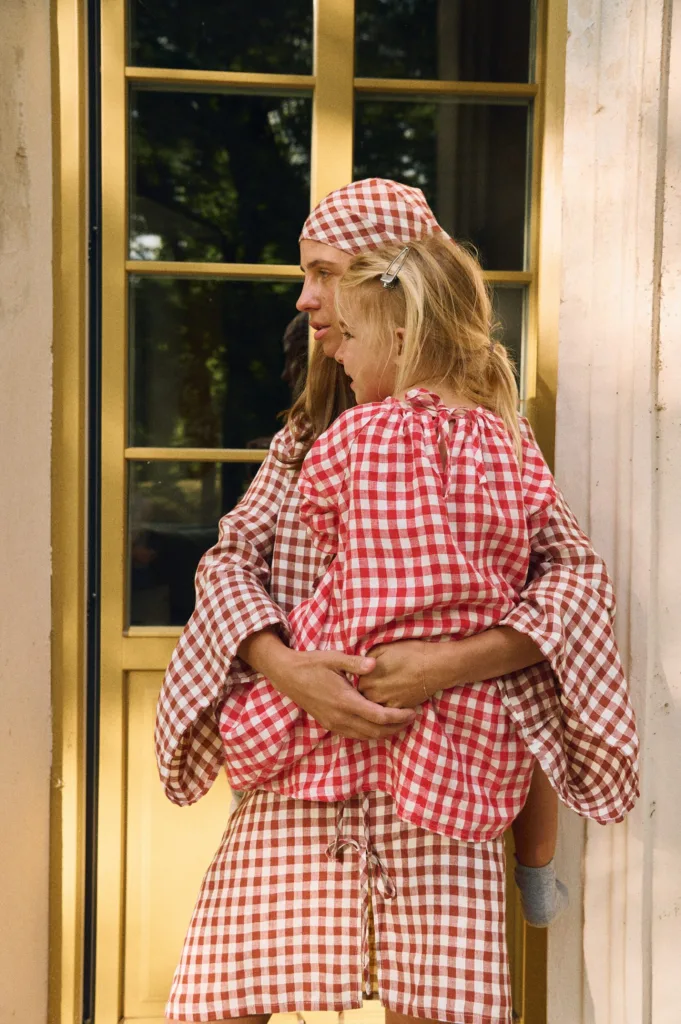
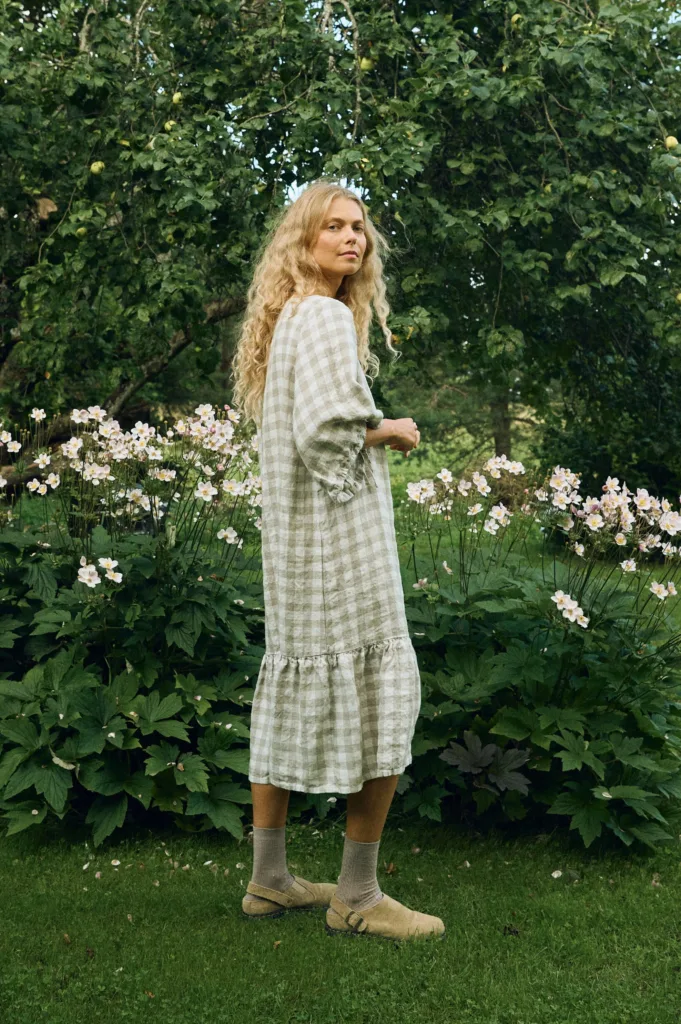
Gingham linen features a classic check pattern that adds structure and visual interest while maintaining the natural qualities of linen. At Linenfox, gingham fabrics are available in different check sizes, ranging from smaller, more subtle patterns to larger, more expressive ones. This variation allows the same fabric to create both understated and more statement looks.
In terms of construction, gingham linen is similar to medium weight linen. It has the same balanced feel and drapes in a comparable way, making it suitable for dresses, tops, and other everyday garments. The fabric holds its shape while still allowing movement, which makes it comfortable for warm-weather wear.
Like other linen fabrics, gingham linen softens with washing and wear. Over time, the fabric becomes more relaxed while maintaining its structure, creating a natural and lived-in appearance that is characteristic of linen clothing.
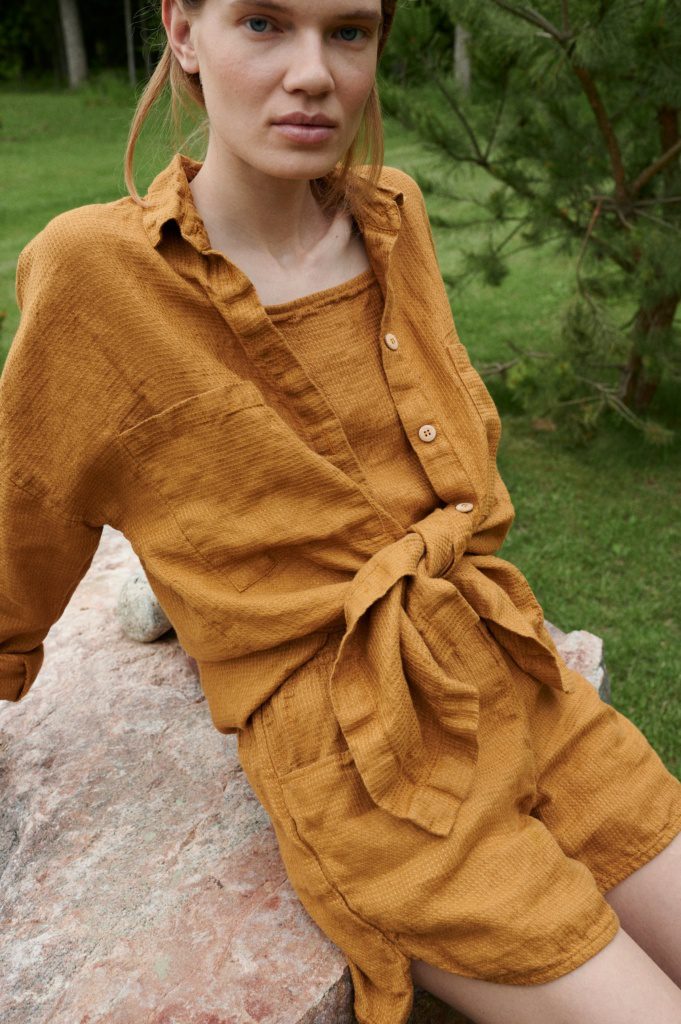
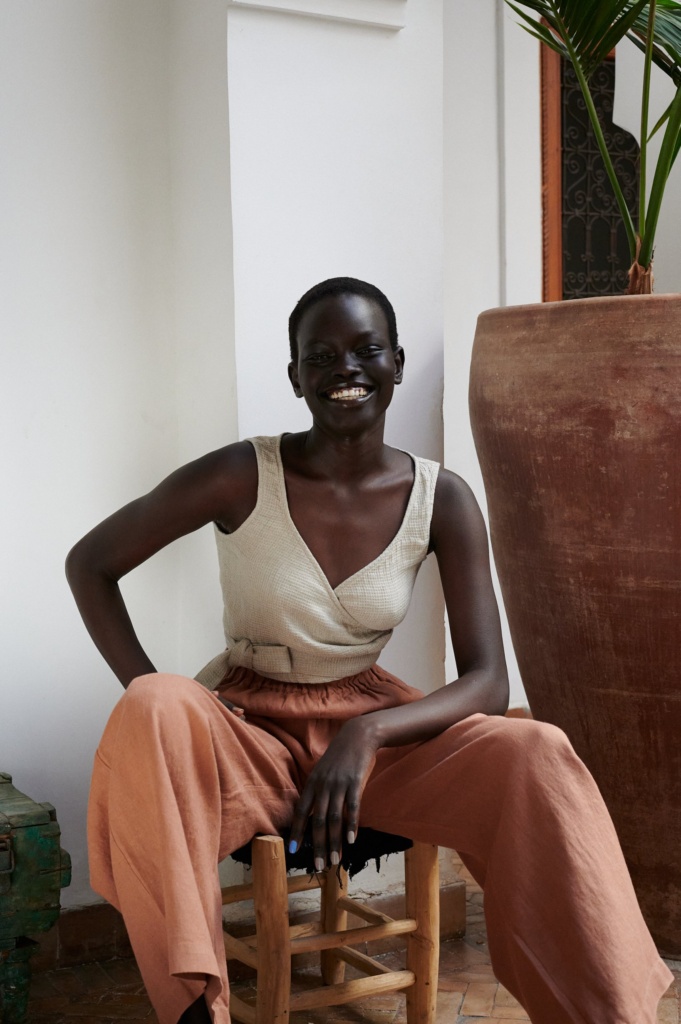
Waffle linen features a textured weave that creates a soft, raised surface with a subtle grid pattern. This structure gives the fabric more dimension compared to smoother linen types, while still maintaining breathability and comfort.
One of the key qualities of waffle linen is its ability to absorb moisture efficiently and dry quickly. Because of this, garments made from this fabric can be worn shortly after swimming or contact with water, offering a towel-like effect without additional bulk. The fabric absorbs moisture from the surface while remaining light and comfortable on the body.
As it dries, waffle linen holds its shape well, allowing garments to return quickly to a wearable state without losing structure. This makes it a practical choice for relaxed clothing, loungewear, or pieces designed for warm weather and travel.
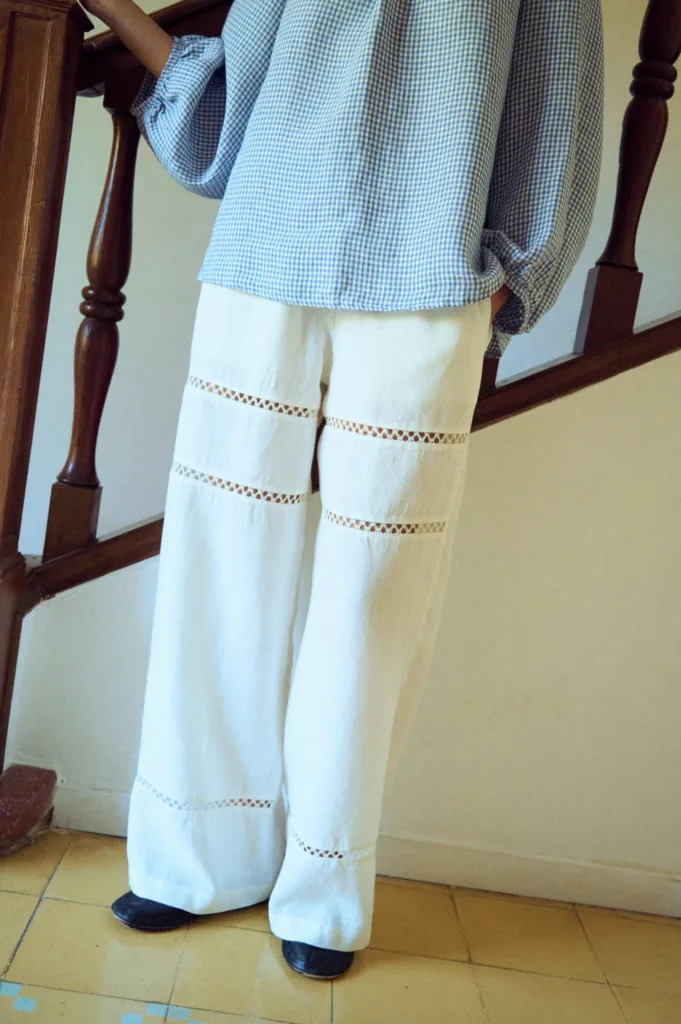
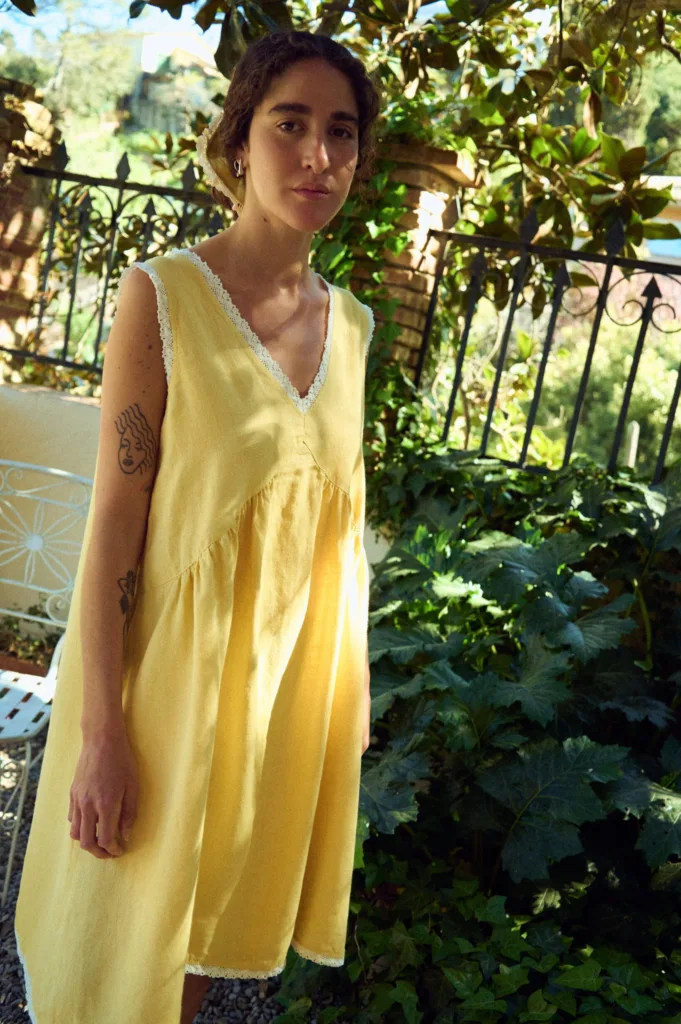
Linen lace behaves differently from woven linen fabrics due to its open structure. The pattern, density, and construction of the lace all affect how it reacts to washing and wear.
Some lace structures hold their shape well, while others may shift or soften more noticeably after washing. Because of this, it is important to test how lace interacts with linen fabric, especially when both are combined in one garment.
Proper finishing and pre-washing help stabilize the material, ensuring that the lace maintains its appearance and does not distort over time.
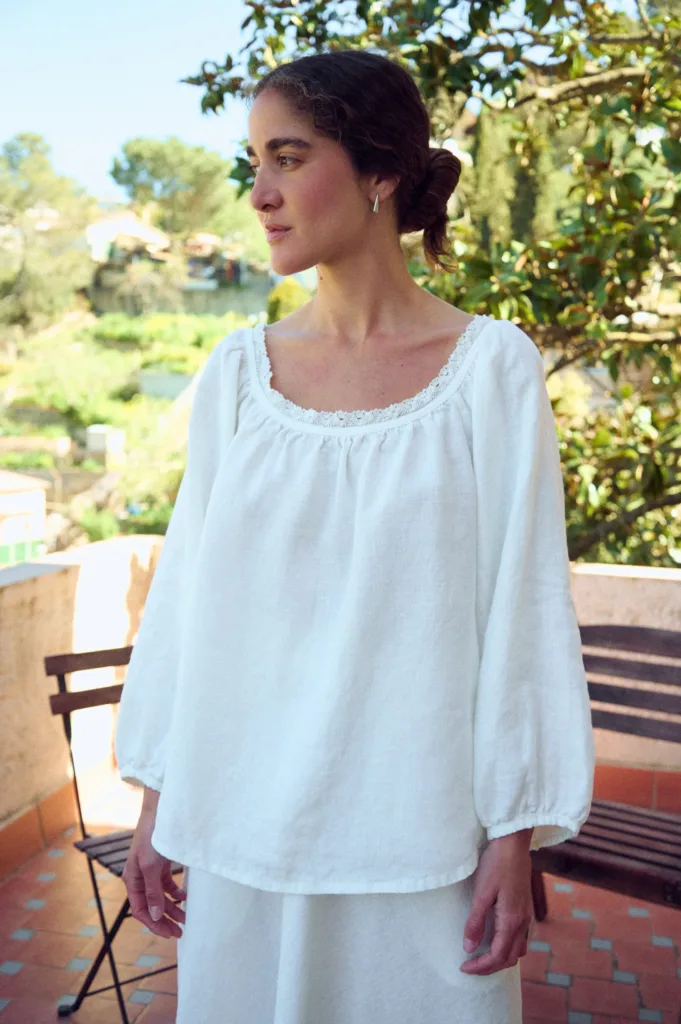
Choosing the right linen fabric depends on how and where the garment will be worn. Different types of linen vary in weight, texture, and flexibility, which affects how they feel on the body and how they perform in different seasons.
For warm weather, lighter and medium weight linen fabrics are usually the most comfortable choice. They allow air to circulate and help regulate body temperature, making them suitable for hot climates.
Medium weight linen is especially versatile, as it provides enough structure while remaining breathable. Gingham linen also works well in summer, offering the same feel with added visual texture.
For garments that require more shape, heavier linen fabrics are a better option. Heavy linen holds its structure more firmly, making it suitable for jackets, overshirts, and other pieces where a defined silhouette is important.
Because of its weight and texture, heavy linen creates a more structured look compared to softer fabrics, which makes it ideal for layering and transitional outfits.
The choice between soft and structured linen depends on personal preference and intended use. Softer fabrics, such as cotton linen blends or washed medium weight linen, feel more flexible and relaxed against the skin.
More structured fabrics, such as heavy linen, maintain their shape and create a more defined silhouette. Linen wool blends offer a balance between softness and structure, while also providing additional warmth for cooler weather.
The best type of linen fabric depends on the garment and the season. Medium weight linen is one of the most versatile options, as it balances breathability and structure. Heavier linen works well for more structured pieces, while linen blends can offer additional softness or warmth depending on their composition.
The main difference lies in the weight and structure of the fabric. Medium weight linen feels lighter and more flexible, making it suitable for dresses and everyday garments. Heavy linen has a denser structure, holds its shape more firmly, and is often used for jackets or layering pieces.
Yes, linen is naturally breathable due to the structure of flax fibers. However, the level of breathability can vary depending on the weight and weave of the fabric. Lighter and medium weight linen fabrics typically feel cooler, while heavier fabrics provide more structure with slightly less airflow.
Yes, linen becomes softer with washing and wear. While it may feel slightly crisp at first, the fibers relax over time, resulting in a more comfortable and natural feel without losing durability.
Linen fabric varies in weight, texture, and structure, which makes it suitable for a wide range of clothing. Understanding these differences helps in choosing garments that feel comfortable and natural to wear across different seasons.
You can explore more styles in our linen clothing for women.


